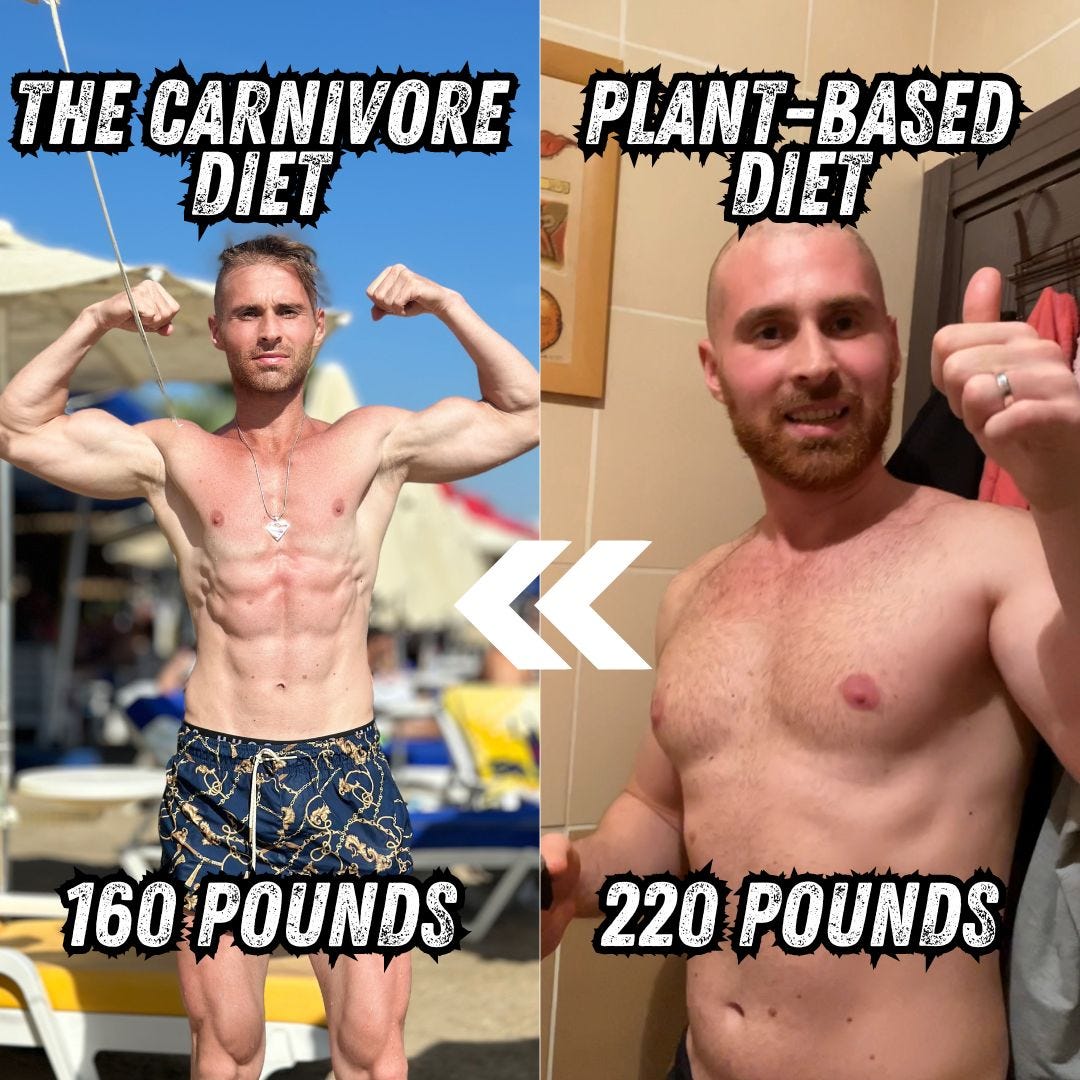
Understanding the Carnivore Diet Flu: Unveiling the Causes
#carnivorediet #flu #carnivore #keto #ketodiet #ketogenic #ketogenicdiet #steak #meatheals #meat

I'm excited to dive into the topic of the Carnivore Diet Flu and explore the causes and solutions for this common challenge faced by those embarking on the carnivore lifestyle.
The Carnivore Diet, which involves eating only animal-based foods and eliminating all plant-based foods, has gained significant popularity in recent years due to its potential benefits for weight loss, improved metabolic health, and reduced inflammation.
However, transitioning to this diet can be a significant shift for the body, and many individuals experience a set of unpleasant symptoms collectively known as the "Carnivore Diet Flu." In this comprehensive article, we'll unpack the details of this phenomenon, understand the underlying causes, and explore effective strategies to minimize and overcome the Carnivore Diet Flu.
What is the Carnivore Diet Flu?
The Carnivore Diet Flu refers to a collection of symptoms that some individuals experience during the initial stages of adopting the Carnivore Diet.
This transition period can be challenging as the body adjusts to the significant changes in macronutrient intake and metabolic processes. The Carnivore Diet Flu is often a temporary hurdle.
The various symptoms of the carnivore flu usually show up on days 1-5 after eliminating carbs and going all meat, with most people experiencing them for only a couple of days.
Symptoms of the Carnivore Diet Flu
The Carnivore Diet Flu can manifest in a variety of ways, and the specific symptoms can vary from person to person. Some of the most common symptoms include:
Headache
Brain fog
Constipation
Diarrhea
Stomach pain
Bloating
Muscle weakness
Difficulty concentrating
Fatigue
Nausea
These symptoms can range in severity and duration, and it’s important to understand the underlying causes in order to effectively address them.
Causes of the Carnivore Diet Flu
The Carnivore Diet Flu is primarily caused by significant changes in the body’s metabolic processes and nutrient intake. Some of the key factors that contribute to the Carnivore Diet Flu include:
Dehydration
Transitioning to a high-protein, low-carb diet can lead to increased fluid and electrolyte losses, resulting in dehydration. This can exacerbate symptoms like headaches, fatigue, and muscle weakness.
When you cut carbs to less than 100 grams per day, your body begins to metabolize a type of carbohydrate stored in your liver and muscles called glycogen.
Each glycogen molecule is attached to numerous water molecules, which get expelled through urine. This leads to rapid weight loss, but it comes with the potential for dehydration.
Electrolyte Depletion
The Carnivore Diet can deplete the body’s stores of essential electrolytes like sodium, potassium, and magnesium. This imbalance can contribute to a range of symptoms, including muscle cramps, fatigue, and brain fog.
The key to hydrating in a way that reduces the symptoms of carnivore flu is to make sure your meals are well-salted and, if necessary, to supplement with electrolytes.
Not Consuming Enough Fat
While the Carnivore Diet is high in protein, it’s crucial to ensure that a sufficient amount of dietary fat is consumed. Inadequate fat intake can lead to issues like constipation, diarrhea, and digestive discomfort. One of the most overlooked ways to reduce carnivore flu symptoms is to increase your fat intake.
For most people on a Western diet, meat means lean muscle meat. But it is critical to remember that when you cut carbs, you must get at least 70% of your calories from fat and only around 30% from protein. Many carnivore dieters find that an 80/20 ratio is optimal.
Tips to Minimize the Carnivore Diet Flu

To help alleviate the symptoms of the Carnivore Diet Flu and facilitate a smoother transition, consider the following tips:
Staying Hydrated and Replenishing Electrolytes
The key to staying hydrated isn't just ensuring you're getting enough water. Drinking lots of water can increase electrolyte loss and result in dangerous electrolyte imbalances. The key to hydrating in a way that reduces the symptoms of carnivore flu is to make sure your meals are well-salted and, if necessary, to supplement with electrolytes. Proper salt and electrolyte intake along with drinking at least 2 liters of water per day, is the best approach for most people.
Drink Carnivore Bone Broth
Bone broth is an excellent source of electrolytes, minerals, and collagen, which can help support the body during the Carnivore Diet Flu. Aim to consume at least 16 oz of bone broth per day.
Electrolytes in Carnivore Diet Foods
Certain Carnivore Diet foods are naturally rich in essential electrolytes.
For example, a 1 lb ribeye steak contains 24% of the recommended daily intake (RDI) for potassium, a 6 oz serving of bacon contains 33% of the RDI for sodium, and a 16 oz serving of carnivore bone broth contains 20% of the RDI for magnesium.
Eat More Fat and Salt
Ensuring adequate fat and salt intake can help alleviate some of the symptoms associated with the Carnivore Diet Flu. Aim to get at least 70–80% of your daily caloric intake from healthy fats, and be sure to liberally salt your meals.

Conclusion: Overcoming the Carnivore Diet Flu
The Carnivore Diet Flu can be a challenging but temporary hurdle for those transitioning to the Carnivore Diet. By understanding the underlying causes, addressing the common symptoms, and implementing effective strategies, you can minimize the discomfort and successfully navigate this transition period.
Remember, the key to overcoming the Carnivore Diet Flu lies in:
Staying hydrated and replenishing electrolytes
Consuming adequate amounts of fat and salt
Allowing your body time to adapt to the significant dietary changes
With patience, persistence, and the right approach, you can emerge from the Carnivore Diet Flu feeling energized, focused, and on your way to experiencing the many potential benefits of the Carnivore Diet.